Cloud Migration Solution for Enterprise Environments
Migrate to the cloud with confidence. Achieve unmatched agility and scalability with our end-to-end migration services, empowering your business toward sustained success.

Explore migration scenarios featured in our knowledge base to see how our solution fits your needs. Learn more →
Drive migration efficiency and success at every stage
Leverage the 5Ds of IT-Conductor's Cloud Migration Strategy for optimized and cost-effective cloud adoption.
-
Discover
-
Distill
-
Design
-
Develop
-
Deploy
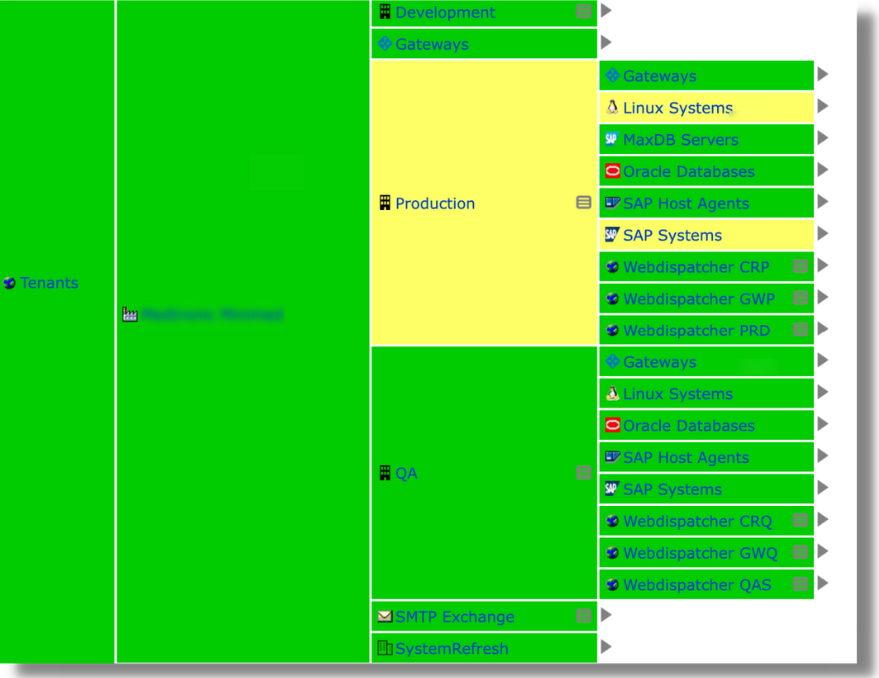
Confidence starts with visibility
IT-Conductor’s application discovery uses a multi-layer approach to automatically uncover deep dependency chains across your application landscape. Visualize components in a hierarchical view and easily drill up or down to understand how every application, service, and system connects—so nothing is missed before migration.
Right-size your cloud move
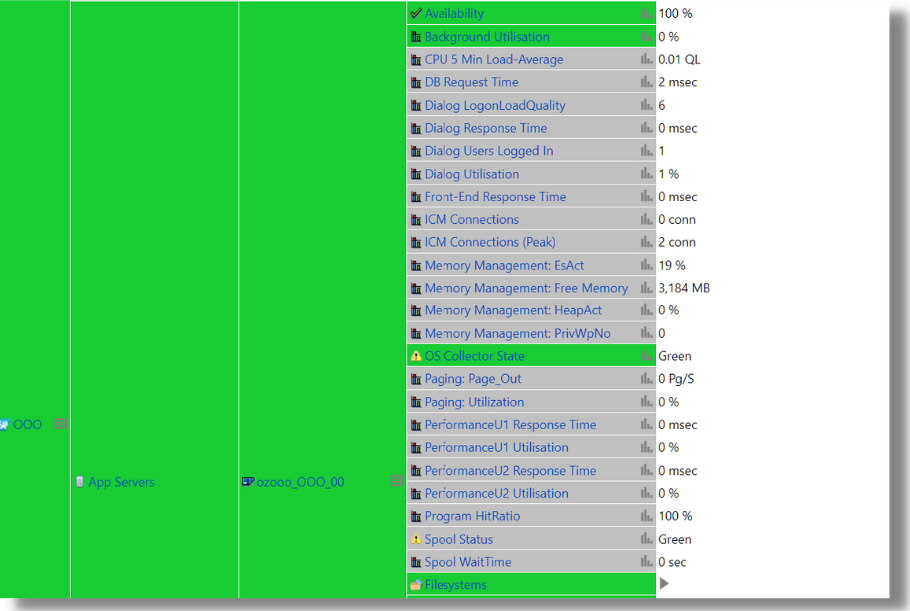
Easily capture key performance metrics and establish baselines for your source environment using the IT-Conductor Service Grid. Export detailed landscape inventory, including compute, storage, and networking profiles, based on discovery data gathered during the Discovery stage.
A smarter path to the cloud
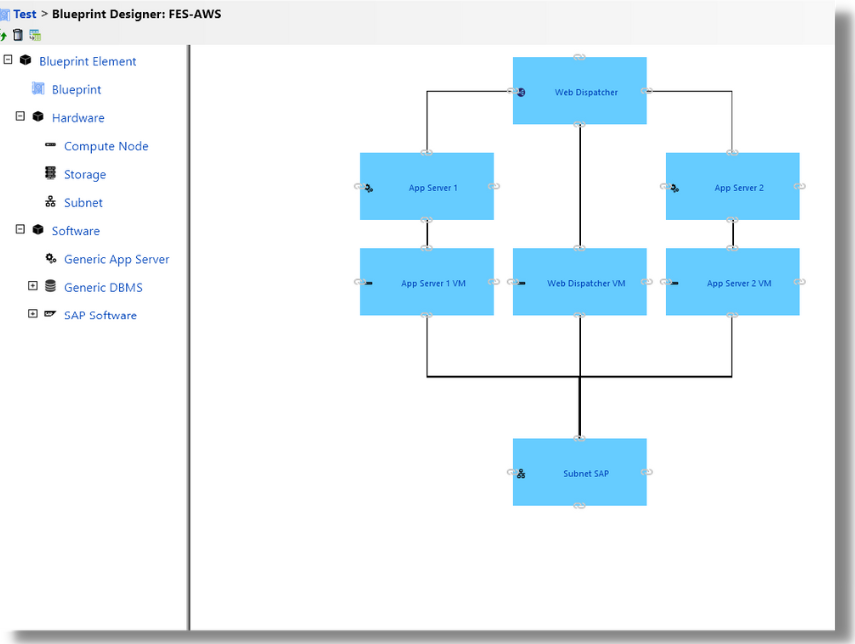
IT-Conductor designs cloud migration plans based on the six pillars of well-architected cloud design: Operational Excellence, Performance Efficiency, Cost Optimization, Security, Reliability, and Sustainability. From project initiation through blueprinting, we guide you every step of the way to ensure a seamless cloud migration.
Migration-ready automation workflows
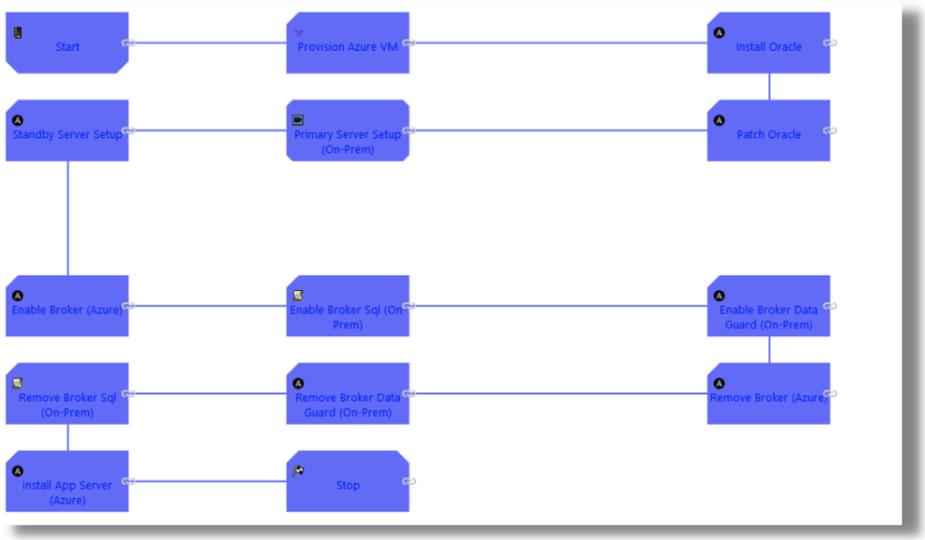
Leverage IT-Conductor’s extensive automation templates to customize and automate migration scenarios defined in earlier stages. Create automation code for resource provisioning, application installation, and other prerequisite activities — so everything is ready before the actual migration begins.
Execute migrations with confidence
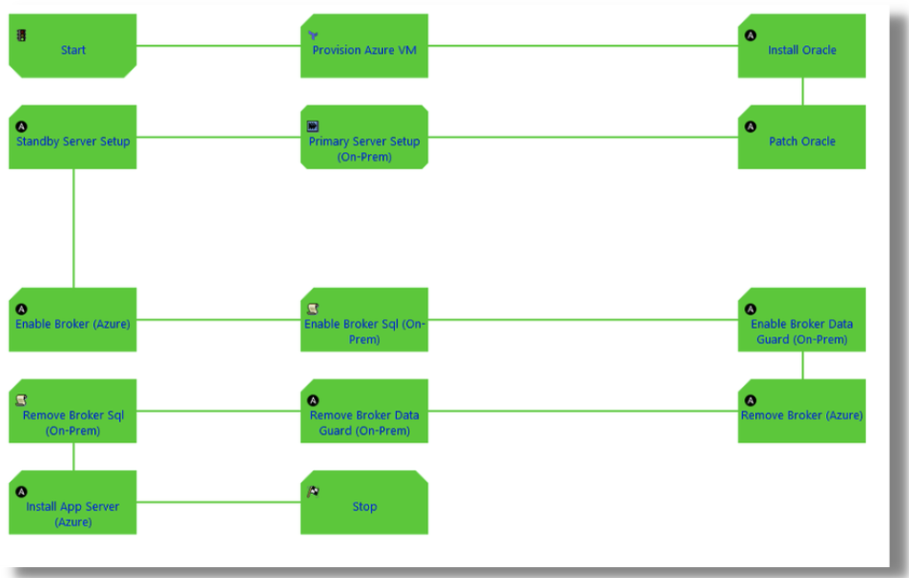
Build stable and efficient cloud systems using IT-Conductor’s intelligent automation. Execute assisted, managed, or fully automated migrations based on process definitions created during the Design and Develop stages — ensuring controlled, repeatable migration execution.
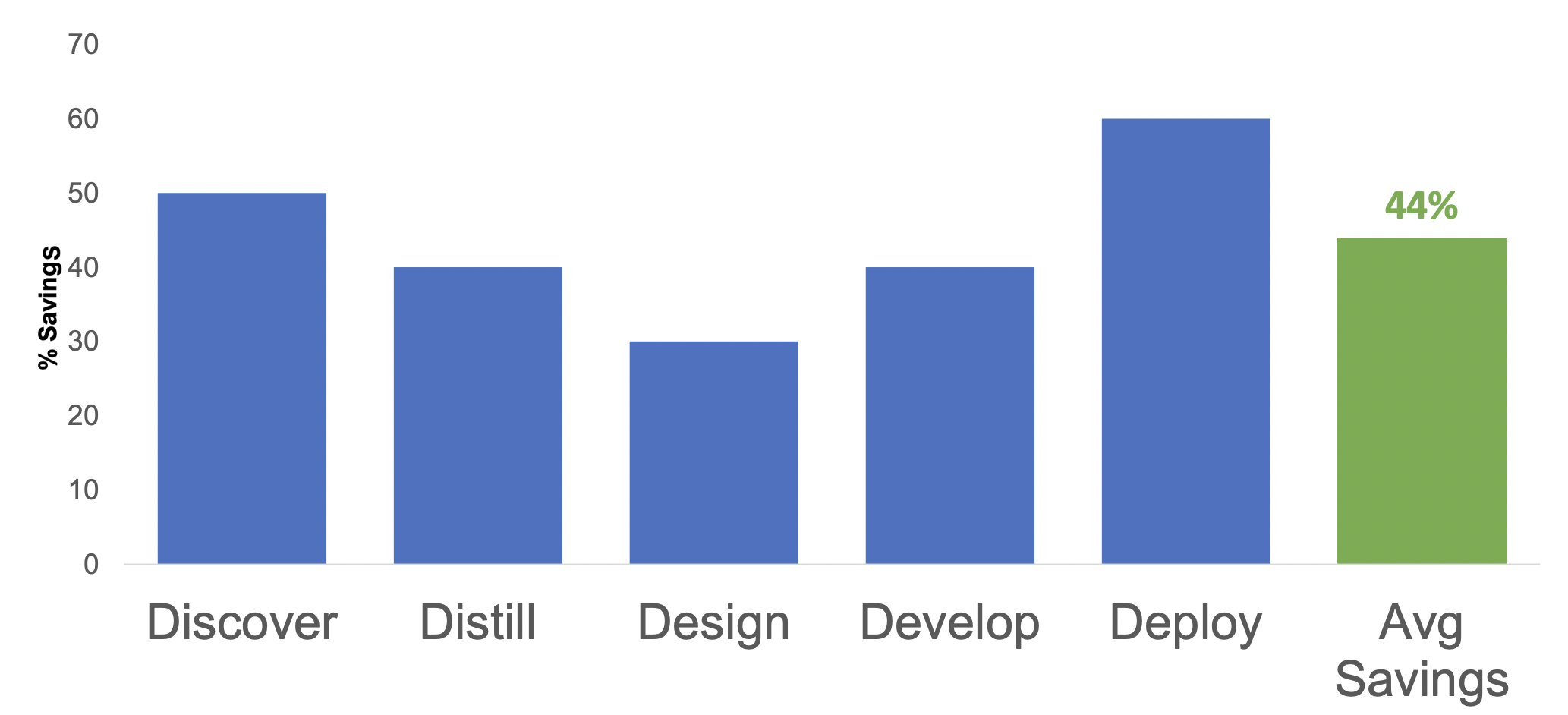
Move applications to the cloud simpler and faster
- Intelligent Automation with integration into open standards such as Git, Terraform, Ansible, Azure API, REST API, JSON, and native application protocols
- 24x7 continuous access to data to validate sizing, utilization, and configuration all throughout the Proof of Concept (PoC) stage

Start your cloud transformation now and achieve accelerated results
Understand your current environment, envision your goals, and identify the necessary steps to achieve them seamlessly, guided by continuous expertise every step of the way.
CHALLENGE
CAASCO needed to optimize its IT operations to better support critical systems like SAP and VMware while reducing operational overhead on its IT and SAP Basis teams. They lacked proactive visibility into performance and system issues and required streamlined processes to ensure service reliability and agility for their members.
SOLUTION
IT-Conductor partnered with CAASCO through the AWS ISV Workload Migration Program to modernize and centralize monitoring and automation. IT-Conductor replaced legacy tools with a cloud-based platform on AWS that delivered advanced application and infrastructure performance monitoring, dynamic dashboards, multi-channel alerting, file-watcher monitoring for critical data operations, and automated incident response. The platform provided deep insights and real-time responsiveness based on best-practice templates and secure, agentless onboarding.
IMPACT
CAASCO gained proactive visibility into its SAP and infrastructure environments, enabling early issue detection and more reliable system operations. Automated monitoring, alerting, and incident workflows reduced manual effort for IT teams while improving response times and operational efficiency. As a result, CAASCO strengthened system reliability, enhanced service continuity for its members, and empowered internal teams with greater confidence and agility in managing mission-critical workloads in the cloud.
Watch our latest videos
Trusted by leading brands worldwide

Frequently Asked Questions
What is cloud migration?
Cloud migration is the process of moving data, applications, and IT systems from on-premise infrastructure to a cloud environment, such as AWS, Microsoft Azure, or Google Cloud. It can also involve shifting between different cloud providers or from one cloud model to another.
The goal of cloud migration is to improve scalability, performance, and cost efficiency, while enabling automation and flexibility in managing IT resources. With platforms like IT-Conductor, organizations can automate and monitor every step of the migration process to minimize downtime and ensure a smooth transition.
How do I assess which applications and workload are ready for the cloud?
To determine cloud readiness, evaluate each application based on performance requirements, dependencies, security needs, and business criticality. Applications that are modular, loosely coupled, and not dependent on legacy infrastructure are typically easier to migrate.
A thorough readiness assessment should include:
-
Technical evaluation: Identify compatibility with cloud platforms and potential refactoring needs.
-
Performance baselining: Measure current resource usage to estimate cloud capacity.
-
Cost and ROI analysis: Compare on-premise vs. cloud costs to determine value.
-
Risk assessment: Review data sensitivity, compliance, and potential downtime impact.
See Cloud Migration Assessment for more information.
What security measures should be in place before, during, and after migration?
Before migration, conduct a security assessment to identify sensitive data and compliance requirements.
During migration, use end-to-end encryption, secure transfer protocols, and access controls to protect data in transit.
After migration, enable continuous monitoring, identity management, and automated threat detection to keep your cloud environment secure.
How long does a typical migration take?
Cloud migration timelines depend on workload size, complexity, and the level of refactoring required. Smaller applications may take a few weeks, while multi-tier systems or regulated workloads can take one to three months. Large enterprise environments, especially SAP landscapes, may require several months to complete planning, testing, data migration, and validation.
How can I measure cloud migration success?
You can measure cloud migration success by tracking performance, cost, and user experience. Key indicators include faster system response times, lower infrastructure costs, improved scalability, and minimal downtime during the transition.
Post-migration, continuous monitoring helps confirm that applications perform as expected and business processes remain stable.
Read this blog post to learn more about setting objectives and KPIs to measure.