End User Monitoring

IT-Conductor provides real-time end-user monitoring, synthetic testing, user-centric metrics, and proactive issue detection. With its customizable dashboards, automated incident management, seamless integration, and comprehensive reporting, you'll be empowered to optimize performance and ensure the reliability of your IT infrastructure.

itconductor-reviews

end-user-monitoring

Implement a comprehensive monitoring strategy and enhance every aspect of your end-user experience. Learn More →


Proactive issue detection

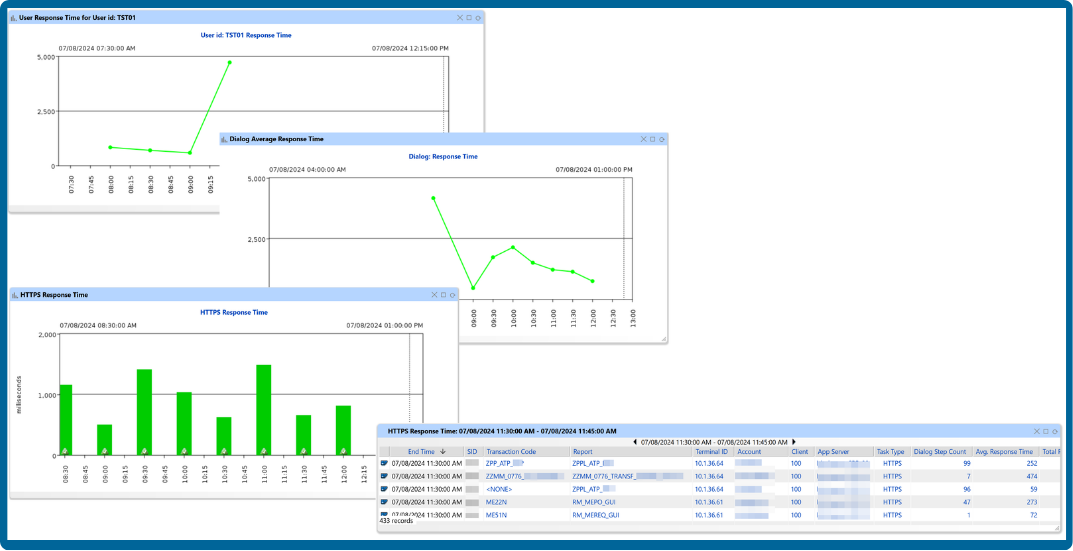
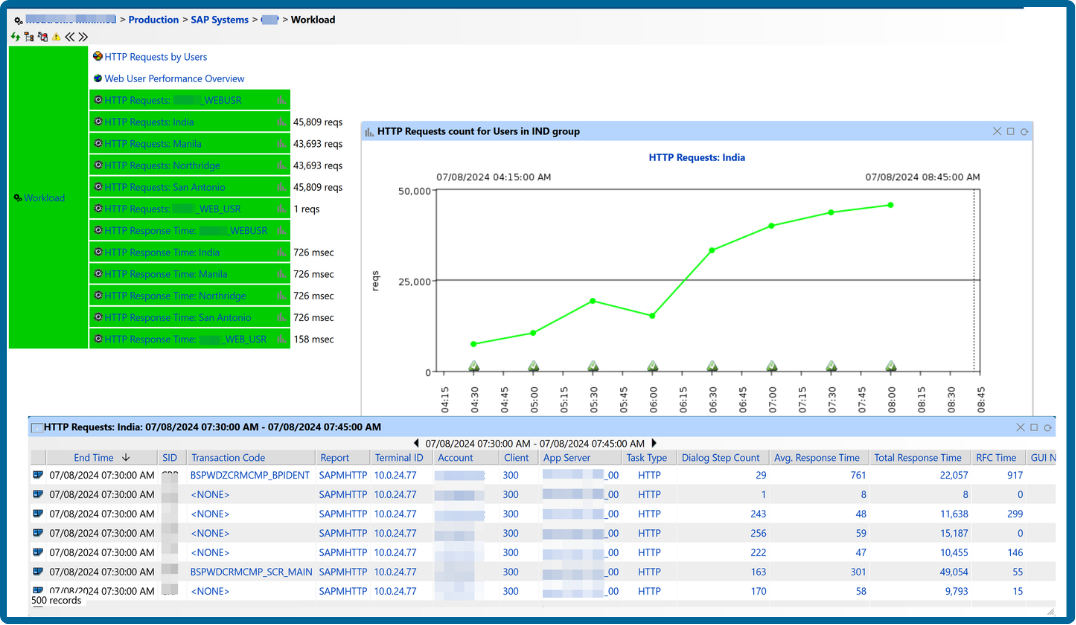
IT-Conductor identifies performance bottlenecks before they affect users by continuously monitoring key performance indicators (KPIs) such as response times and transaction success rates. The system provides real-time alerts for anomalies or deviations from expected performance levels, enabling immediate corrective action to maintain optimal user experience.

01-ITC Proactive Issue Detection
02-workload-metrics

Comprehensive visibility

IT-Conductor provides comprehensive end-to-end monitoring by tracking user interactions across various application layers and services, offering a complete view of the entire user experience. Additionally, it employs synthetic transaction monitoring, which simulates user transactions to continuously test and ensure application performance and availability from multiple geographical locations.

Customizable dashboards and visualizations

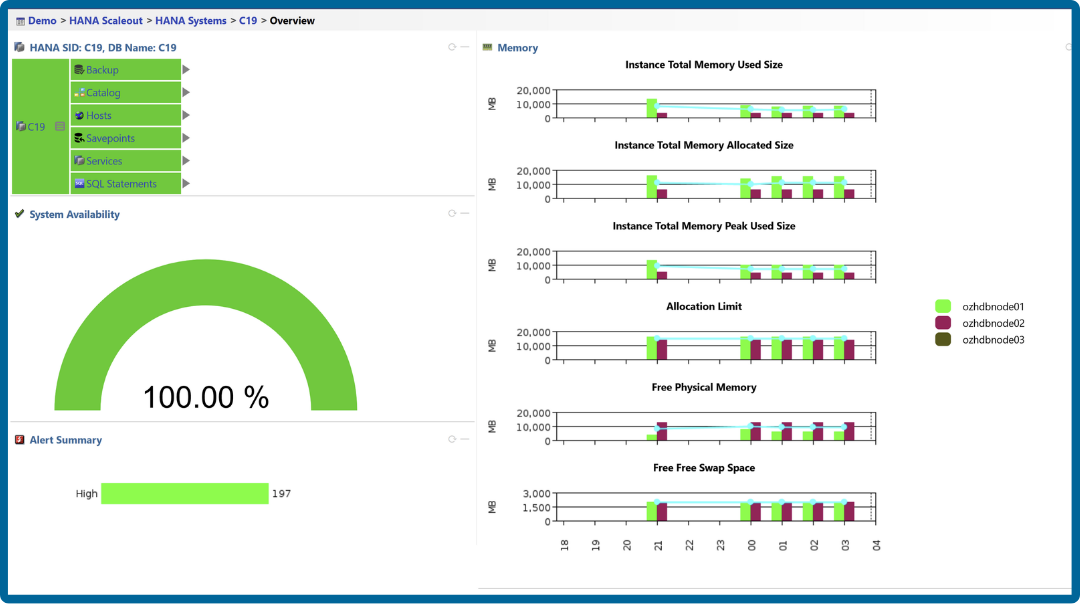
IT-Conductor provides interactive and customizable dashboards for real-time views of performance metrics, tailored to various stakeholders' needs. It also features user journey mapping, tracking detailed interactions from login to task completion. This allows for the identification of performance issues and proactive management, making IT-Conductor essential for monitoring and enhancing the end-user experience.
03-dashboards
04-centric-metrics-1

User-centric metrics collection

IT-Conductor enhances user experience by measuring response times for various actions like logins, data retrievals, and report generation, offering insights into system responsiveness. Additionally, it tracks and logs errors encountered by users, facilitating swift diagnosis and resolution of issues to maintain optimal performance and user satisfaction.

Integration capabilities

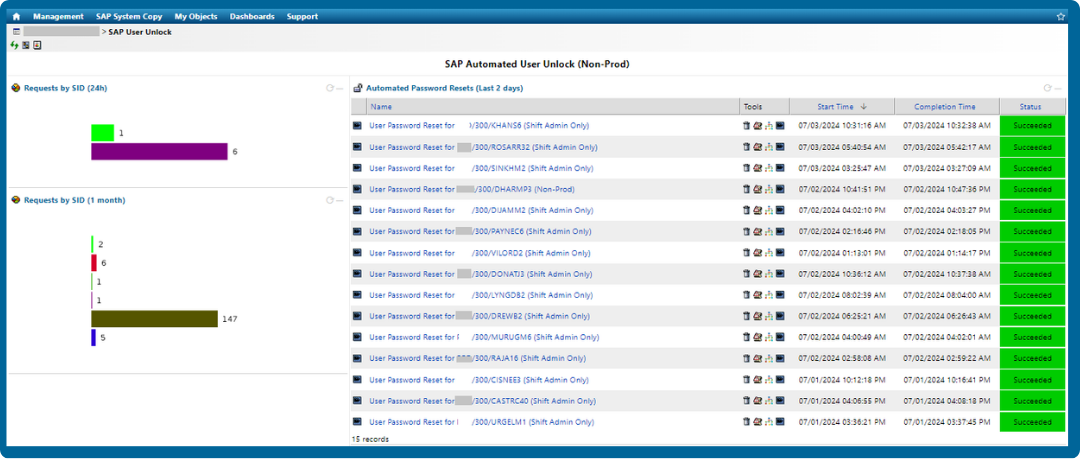
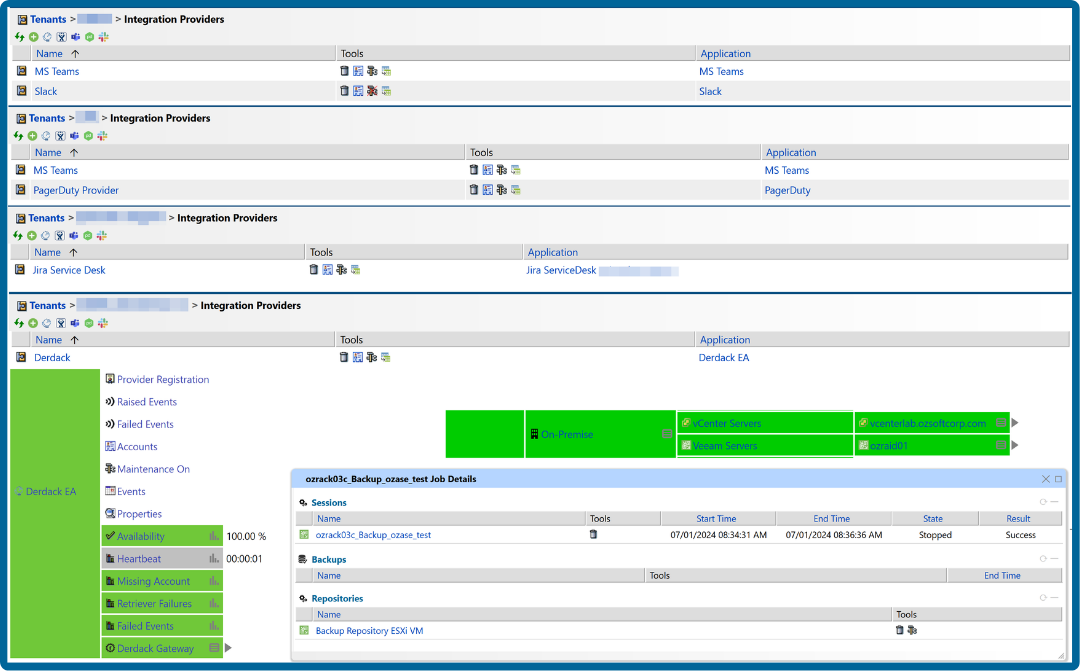
IT-Conductor excels in integration with a wide array of IT systems and third-party tools, creating a cohesive monitoring solution across diverse IT environments. The platform supports robust APIs, enabling seamless data exchange and integration with third-party tools. This interoperability enhances the platform’s ability to consolidate monitoring data, streamline workflows, and provide a holistic view of performance metrics. 
05-ITC Integrations

Trusted by leading brands worldwide

itconductor-customer-logos

Pricing

Database

$110/system

1-year plan: $99 per month
2-year plan: $88 per month
3-year plan: $82.50 per month


  • Checkmark HANA, ASE, Oracle, MSSQL
  • Checkmark OS monitoring
  • Checkmark Notifications
  • Checkmark Dashboards
  • Checkmark Reporting
  • Checkmark Automated Recoveries

Non-production

$220/system

1-year plan: $198 per month
2-year plan: $176 per month
3-year plan: $165 per month


  • Checkmark SAP Netweaver, BOBJ, and cloud apps
  • Checkmark No native DB or OS monitoring
  • Checkmark Notifications
  • Checkmark Dashboards
  • Checkmark Reporting
  • Checkmark Automated Recoveries

Production

$550/system

1-year plan: $495 per month
2-year plan: $440 per month
3-year plan: $412.50 per month


  • Checkmark SAP Netweaver, BOBJ, and cloud apps
  • Checkmark DB, OS, and cloud monitoring
  • Checkmark Notifications
  • Checkmark Dashboards
  • Checkmark Reporting
  • Checkmark Automated Recoveries

Frequently Asked Questions

What is end-user monitoring?

End-user monitoring is the process of tracking and analyzing how real users interact with an application or service to measure their actual experience.

In SAP environments, end-user monitoring measures key metrics such as dialog response time and backend execution time across SAP GUI, Fiori, or web interfaces. This enables IT teams to correlate performance issues with specific system components or processes, ensuring optimal end-user experience and faster root cause isolation.

How does end-user monitoring differ from application and infrastructure monitoring?

End-user monitoring focuses on how real users experience using an application, while application monitoring tracks the internal performance of the app itself, such as response times, errors, and code execution, while infrastructure monitoring observes the underlying systems (servers, databases, networks).

What is synthetic transaction monitoring?

Synthetic transaction monitoring is a proactive testing method that simulates user interactions with an application, such as logging in, running an SAP transaction, or generating a report, to measure performance and availability before real users are affected.

By running these scripted transactions at regular intervals, teams can:

  • Detect issues like slow response times or failed logins early
  • Benchmark performance across different regions or systems
  • Ensure consistent uptime and responsiveness of critical SAP workflows

It’s especially useful for identifying performance degradation in advance and maintaining a reliable end-user experience.

How do I handle emergency or manual transports if automation is enabled?

Automation does not eliminate your ability to run emergency or manual transports. You can still bypass automated workflows when urgent changes are required (i.e., when responding to production issues or critical patches).

Most SAP automation platforms support controlled manual execution paths, including:

  • Emergency or fast-track transport routes
  • Manual approvals and overrides
  • Direct execution for priority fixes
  • Audit logging for compliance
  • Ability to resume automation after the change

This gives SAP Basis teams the flexibility to manage routine and scheduled transports, while you retain full control for unplanned or high-priority changes.